

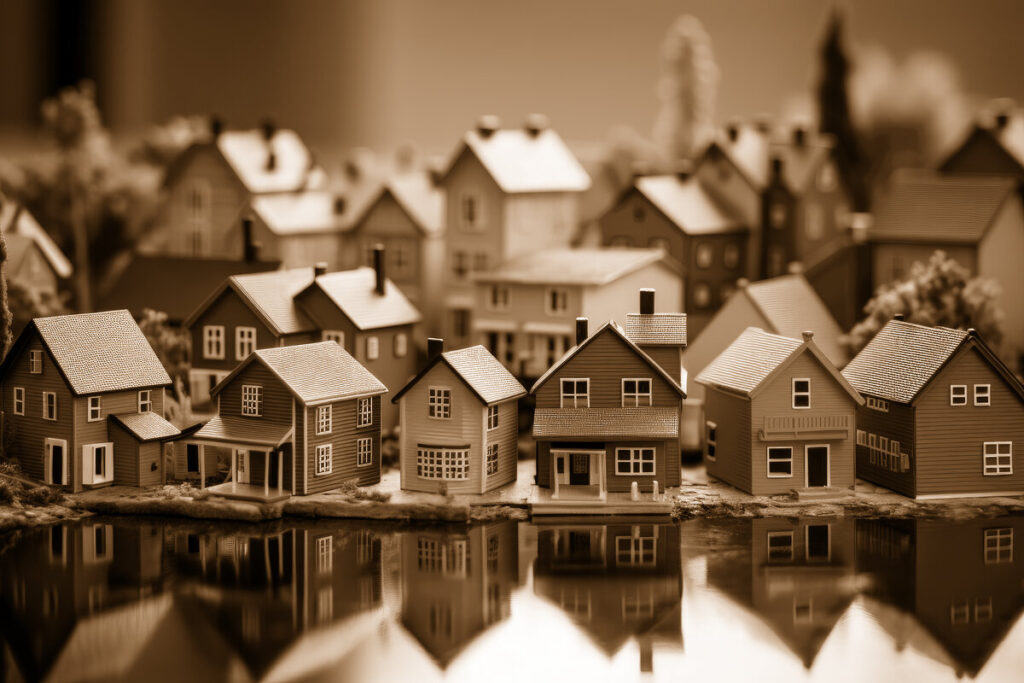
Nestled in the rolling landscape just north of downtown Lincolnton, the Blackburn Ridge neighborhood has quietly shaped the story of our city for generations. With deep roots in Lincoln County’s early days, fascinating tales behind its name, and a tapestry of cherished landmarks, Blackburn Ridge offers its residents more than just a place to call home—it’s a living link to Lincolnton’s past. Whether you’re a newcomer or have watched these streets change over the decades, understanding the neighborhood’s journey is the key to truly appreciating Blackburn Ridge.
The Origins: From Farmland to Founding Families
The land that would become Blackburn Ridge was originally graced by vast, gently sloping fields typical of the southern Piedmont. In the early 1800s, members of the Blackburn family, who migrated from Scotland-Ireland by way of Pennsylvania, settled on this prominent ridge north of Lincolnton. As devout Presbyterians, the Blackurns built some of the area’s first homesteads and contributed to local church life. Family records and recollections place the original Blackburn farm near where Ridgecrest Drive meets North Aspen Street today—a crossroads that remains a heart of the community.
- The early homesteads were simple but sturdy, with hand-hewn logs and working smokehouses.
- Community life centered around annual harvest gatherings, which continued well into the 20th century.
- Descendants of those founding families remain in Lincolnton to this day, their surnames echoing in church rolls and local history books.
What’s in a Name? Honoring Legacy and Landscape
The name “Blackburn Ridge” captures both the heritage and the topography that define this neighborhood. “Blackburn” honors its founding family, whose legacy helped shape Lincoln County’s civic and spiritual life. “Ridge” refers to the striking rise in elevation along its main crescent—stretching from Timber Ridge Road down to Ridgecrest Drive. This subtle but unmistakable hill offered early residents sweeping views of the countryside, and to this day, you can catch a glimpse of the downtown spires from select points along Ridge Road.
Historic Landmarks and Community Pillars
While Blackburn Ridge is primarily a residential enclave, it features a handful of unique landmarks that tell stories of community resilience and faith.
- Beth Haven Baptist Church (1983): Located on Beth Haven Church Road, just a quick turn off North Aspen, this beloved institution quickly became the spiritual and social center for the neighborhood when it opened its doors in the early 1980s. Its annual summer picnics in the adjacent park lot remain a highlight for families and elders alike.
- Blackburn Family Cemetery: Discreetly nestled just off Ridgecrest Drive behind a line of old oaks, the Blackburn Family Cemetery is one of the county’s best-preserved small burial grounds. Many original settlers and their descendants rest here—a tangible reminder of the deep roots residents have to the land.
- Lincoln Springs Park: Added in the mid-1990s, this pocket green space off Timber Ridge Road features a small playground, lush walking paths, and shady benches—perfect for quiet reflection and neighborly catch-ups.
Key Milestones in Blackburn Ridge’s Growth
Over the decades, the evolution of Blackburn Ridge has mirrored the broader story of Lincolnton—balancing tradition with the inevitable march of time.
- 1920s–1950s: The ridge remains largely rural, dotted with family farms and a smattering of historic farmhouses. Children walked or caught the trolley into Lincolnton for school at the original Lincolnton High on East Main Street.
- 1960s–1970s: Suburban development picks up as Lincolnton’s economy grows. The original farm tracts are gently carved into winding residential streets—Ridgecrest, Timber Ridge, and Aspen Woods. Classic red-brick ranch homes begin to define the neighborhood’s signature look.
- 1980s–2000s: New families move in, lured by Blackburn Ridge’s peace and proximity to downtown. Community events like the annual fall festival foster a sense of belonging. Parks and religious institutions become integral meeting grounds.
- Today: Blackburn Ridge remains a close-knit community. Mature trees and decades-old azaleas frame each home. Newer generations celebrate modern conveniences while maintaining the warmth and watchfulness that made the neighborhood special from the start.
The Neighborhood Today: Heritage Meets Home
What truly sets Blackburn Ridge apart is the sense of continuity between past and present. Neighbors greet each other by name, remembering shared histories: the time the creek flooded in ‘85, the generations of children skipping stones or biking along Ridgecrest on summer afternoons, or the way Beth Haven’s steeple catches the light at sunset.
While the area may not boast the grand antebellum homes of Main Street or the hip hangouts of downtown, it offers something arguably more enduring—a peaceful, welcoming setting where family roots run deep, and heritage is honored in everyday life.
Why Blackburn Ridge Continues to Shine
- A remarkable mix of new families and multigenerational residents
- Lush landscaping and tree-lined drives that harken back to rural beginnings
- Community events and the steadfast presence of local churches
- Proximity to Lincolnton’s shops, historic Main Street, and school facilities without the bustle of in-town life
Conclusion
For many in Lincolnton, Blackburn Ridge is more than a mark on the map—it’s a proud living chapter in the ongoing story of our city. As neighborhoods change and new chapters unfold, it’s the quiet strength of communities like Blackburn Ridge that remind us why Lincolnton feels like home. So next time you drive along North Aspen or stroll through Lincoln Springs Park, take a moment to look around and imagine the stories that every ridge and homestead, every steeple and shaded lawn, have to tell. The heritage here is real, and it continues with every neighbor who calls Blackburn Ridge their own.